
Philip Seymour Hoffman’s Will – What conditions can be placed on bequests?
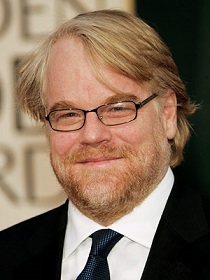
I have been reading about the administration of the Estate of Philip Seymour Hoffman, who tragically passed away recently. His Will made a number of bequests, but included rules for the circumstances in which those bequests could be accepted by the beneficiaries.
As an example, he set up a trust for his son, but stipulated that his son must either be raised in New York, Chicago or San Francisco, or visit these cities at least twice a year. Although I am not sure how enforceable these rules would be in the United States, I have had many clients attempt to include rules in their Wills for bequests and distributions from their Estate.
What can I bequest in my Will?
You can bequest most items that belong solely to you, for example:
- Your car (if it’s only registered in your name);
- Your family heirlooms;
- Your jewellery;
- Your house or whatever share of it you own as tenants in common.
However, you cannot bequeath possessions owned jointly in your name or in a company/trust name, and you may be surprised to find that certain items you thought were yours to give are not in fact owned by you.
A recent example of this situation was in 2012 when Bruce Willis tried to bequeath his iTunes library in his Will and found that he does not own the songs – he is instead “borrowing” them under licence.
What conditions can I place on people receiving their bequests in my Will?
I sometimes have clients instructing me to leave their Estate to their child, but only on the condition that the child takes care of the Will maker’s pet. Although you can bequeath your pet to someone with a sum of money as compensation for caring for your pet, there is no way to stop them from giving your pet to the RSPCA and pocketing the cash for themselves.
Similarly, it is not enforceable to bequeath your Estate to someone on the condition that they live in a certain area, or take care of your pet. These are merely “wishes” that you can express, but they are not binding on the beneficiary and do not bind your Executor to ensure your directions take place.
My dad has placed restrictions on me receiving my inheritance – what can I do?
It is legally acceptable for a Will maker to state that a beneficiary has to be a certain age to receive their inheritance, although that beneficiary can apply to the Executor or the Court to receive their distribution before attaining that age.
If you feel that you are being unnecessarily restricted by the provisions in someone’s Will, you can contest the deceased’s Estate but you will need the assistance of an experienced Estate litigation lawyer. Please contact me if you would like advice or assistance.